
eNews
#04 2025
NRF-SAEON spreads its branches within the SA Botanical community
By Prof. Dave Thompson, Biodiversity Scientist, Ndlovu Node, NRF-SAEON
In July this year, the South African Association of Botanists (SAAB) held their 50th annual conference at Wits Rural Campus, a unique facility of the University of the Witwatersrand that supports a wide range of research, student training and community engagement in the central Lowveld.
In this setting, the WITS School of Animal, Plant and Environmental Sciences hosted a successful four-day meeting that brought together researchers from across and beyond the country to discuss plant-centric topics ranging from genome size, DNA barcoding and carbohydrate metabolism at the cellular level through to above-ground carbon mapping, biome restoration and resource use at the other end of the spectrum.
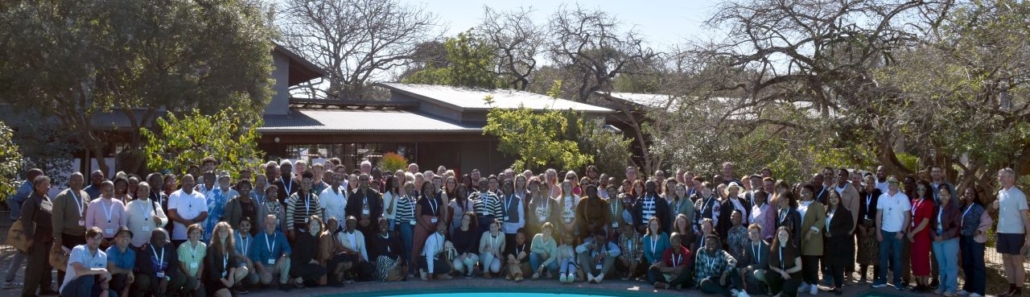
The conference was attended by over 200 delegates representing 34 organisations. Postgraduate students turned up in force, representing nearly half of the attendees.
Over 200 delegates representing 34 organisations attended the meeting, including representation from more than 20 South African higher education institutions, national and provincial facilities and authorities, industry partners and international collaborators. As is typical of SAAB conferences, postgraduate students turned up in force, representing nearly half of the attendees.
The research presented had a strong Southern African focus, showcasing local research endeavours collectively aimed at better understanding the rich botanical flora of the region, and especially that of South Africa. The diversity and scope of the research shared during the oral and poster presentations reflected this richness, speaking to seven key themes: Natural Resource Management and Conservation, Ecology, Biotechnology, Physiology, Ethnobotany, Evolution and Systematics, and Pollination and Invasion Biology.
NRF-SAEON, through the research and monitoring activities of SAEON Ndlovu Node staff and associated students, was well represented at the conference, featuring in nine presentations. The Ndlovu Node is located in north-eastern South Africa, with a focus on understanding the causes and consequences of major environmental changes occurring in savanna and grassland ecosystems.
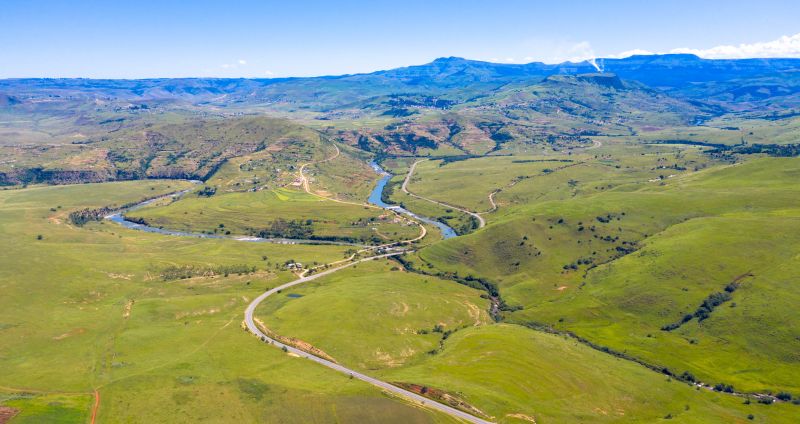
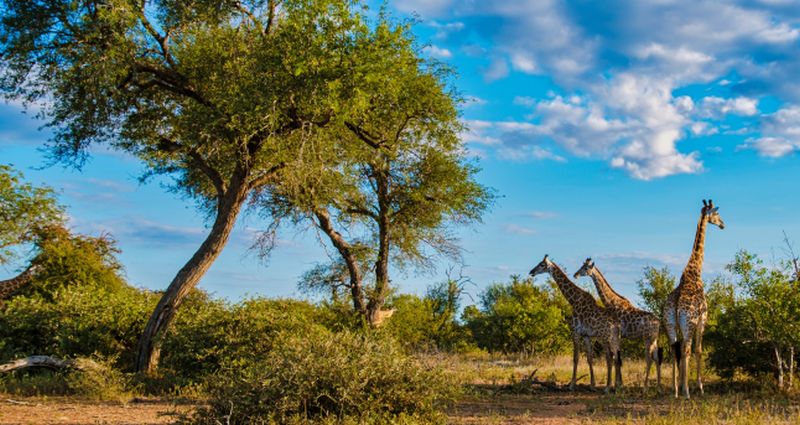
The Ndlovu Node’s research is focused on understanding the causes and consequences of major environmental changes occurring in grassland (left) and savanna ecosystems. (Photos: Shutterstock)
Node activities are centred on several long-term environmental observation platforms in the region, five of which were showcased during the meeting. The SAEON work shared encompassed the broad topics of 1) grassland dynamics and restoration, and 2) savanna disturbance and resilience.
Under the former, individual presentations spanned the population viability of endangered species, invasive species management, the integrity of plant-pollinator networks and passive grassland restoration. In the latter, students shared their work highlighting the effects of fire frequency on herbaceous species recruitment from seed and bud banks, the impact of multiple disturbances on tree cover in savannas, anti-herbivory strategies for grasses and mistletoe-host interactions.
Dr Tony Swemmer, manager from the Ndlovu Node presented, as did eight students co-supervised by node scientist Prof. Dave Thompson. Reflecting the node’s position as a partner in a network of botanical research expertise, the research on show acknowledged collaborators from a variety of local and overseas universities, including the WITS School of Animal, Plant & Environmental Sciences, the WITS School of Geography, Archaeology and Environmental Studies, North-West University, the Qwaqwa campus of the University of the Free state, the National University of Science and Technology in Zimbabwe, and the Universities of Kansas and North Dakota in the United States.
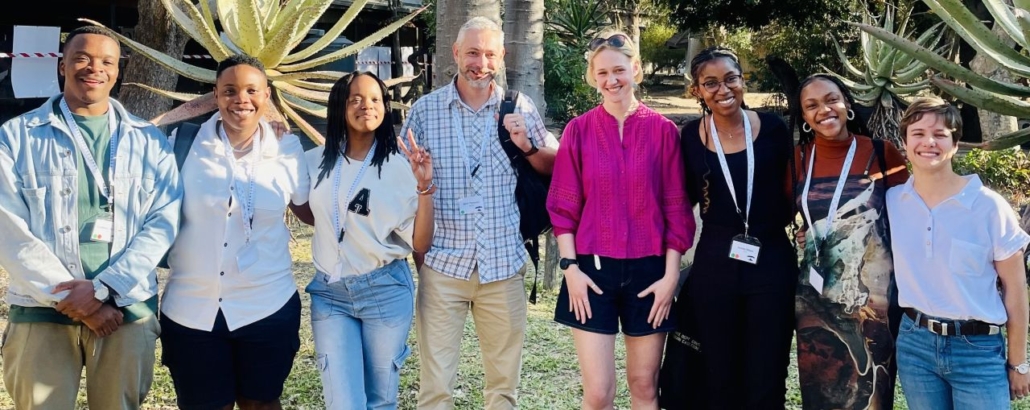
Eight Ndlovu Node students presented at the 50th annual conference of the South African Association of Botanists. From left: Tsumbedzo Ramalevha (PhD candidate, NWU), Dr Tsitsi Maponga (postdoc), Tshego Mathabe (MSc candidate, WITS), Prof. Dave Thompson (node scientist and postgraduate supervisor), Victoria Roetger (MSc graduate, WITS), Matilda Mbazo (MSc candidate, WITS), Masego Ramabu (MSc candidate, NWU) and Yani Steyn (MSc candidate). Absent from the picture is MSc graduate Sylvie Kremer-Köhne (WITS).
The Ndlovu Node sponsored and led two field excursions on the last day of the meeting, giving interested attendees the opportunity to visit two of the node’s long-term research, observation and monitoring platforms. The first of these excursions was led by Dr Tony Swemmer, who guided a small group to a site where secondary grasslands are developing following the abandonment of plantation forestry on the Mariepskop escarpment. Research here investigates the effects of land-use on biodiversity. Apart from visiting the restored grasslands, the group also explored the unique high-altitude fynbos vegetation community at the mountain summit. Prof. Kevin Balkwill (WITS), with experience in the flora of the area, co-led the excursion.
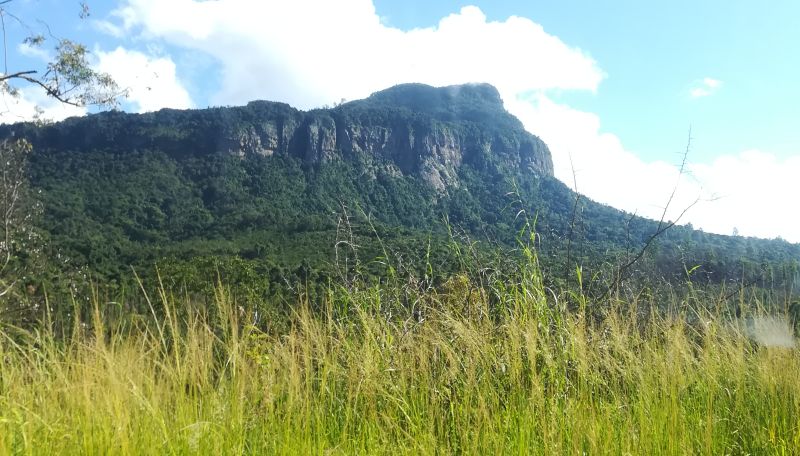
Secondary grassland development following the abandonment of plantation forestry.
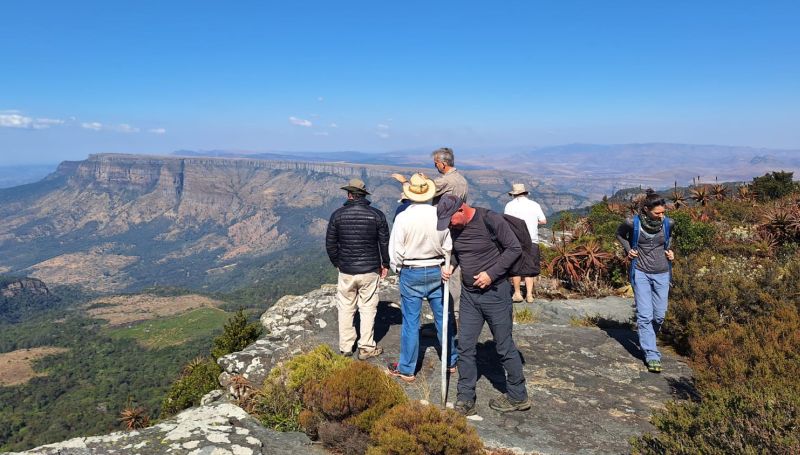
Excursion participants also explored the unique vegetation community on Mariepskop summit.
A second group of delegates visited the experimental burn plots in the Kruger National Park (KNP), which are among the longest ongoing fire manipulation trials in the world. These plots were established in the 1950s with the aim of assessing the impacts of different fire regimes on savanna vegetation dynamics. The excursion to those burn plots sited in the knobthorn marula savannas of central KNP, was led by Prof. Dave Thompson. The group was joined by Dr Tercia Strydom, senior manager for systems ecology in KNP, who gave an overview of the history of the burn plots, as well as their value as a research platform. SAEON’s Ndlovu Node has been active at these sites since 2006.
In addition, the group discussed two ongoing Node-affiliated research projects and associated research infrastructure sited on the burn plots; one a 20-year investigation into the interactive effects of fire and herbivory, which drive savanna dynamics; the other an investigation into the additive impacts of artificial extremes of fire, herbivory and drought disturbance on the herbaceous plant community. Prof. Rob Skelton (WITS) also shared details of a student project making use of the research infrastructure to explore defence traits in grasses.
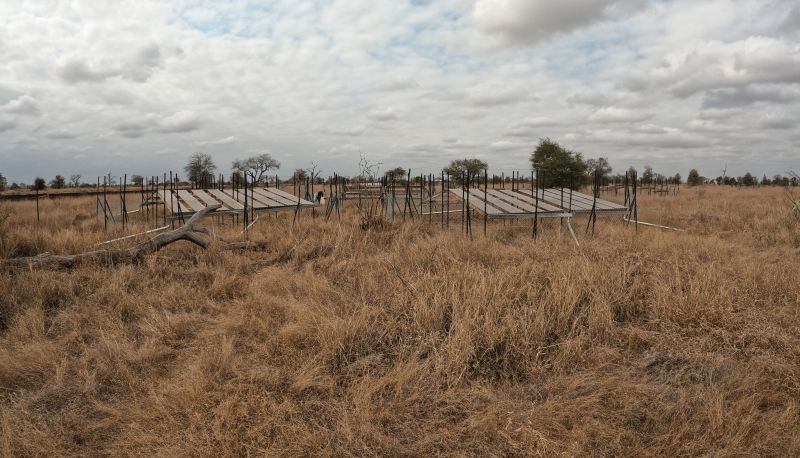
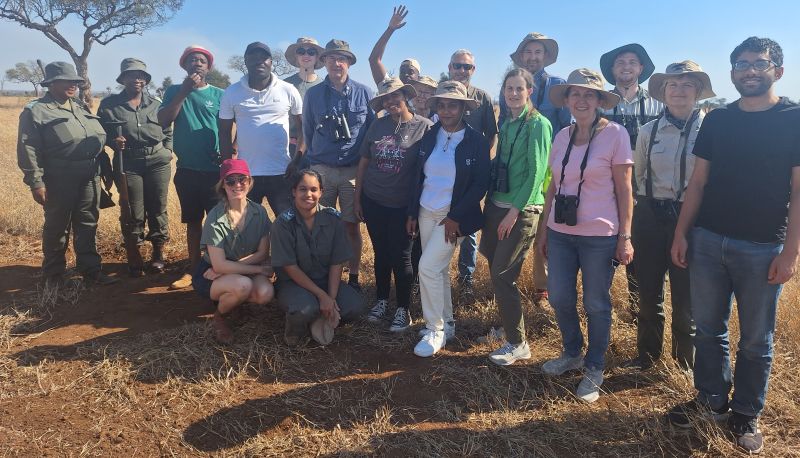
A second group of delegates experienced first-hand the long-term experimental burn plots and herbivory and drought manipulation infrastructure in central Kruger National Park.